Inside the Feud Between Kurt Russell and Kevin Costner During Their Only Film Together
Kurt Russell and Kevin Costner’s Feud Behind 3000 Miles to Graceland: Who Came Out on Top?
Kurt Russell and Kevin Costner have long had parallel careers, rising to fame around the same time and often circling similar projects. But while they’ve only shared the screen once, their sole collaboration—3000 Miles to Graceland (2001)—was marked by creative clashes and behind-the-scenes power plays.
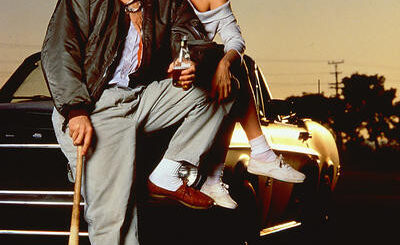
Their professional overlap began even before their on-screen team-up. The beloved sports comedy Bull Durham was originally developed with Russell in mind for the lead role, partly inspired by his real-life baseball experience. However, once Costner expressed interest, his star power won out and he took over the role, sidelining Russell.
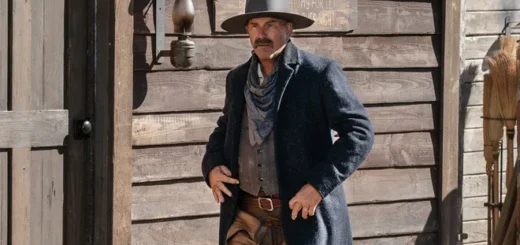
Their paths crossed again in the early ’90s, this time in the Old West. Russell starred in Tombstone (1993), while Costner led Wyatt Earp (1994), two dueling biopics about the iconic lawman. Costner had initially been involved with Tombstone but walked away after creative disagreements, later attempting to undercut the film’s release in favor of his own version. Despite the drama, Tombstone became a cult classic, while Wyatt Earp flopped at the box office.
Their Only Film Together: 3000 Miles to Graceland
Their one and only shared movie, 3000 Miles to Graceland, centers on a group of criminals who rob a casino during an Elvis convention. Russell, whose history with Presley is long-standing—he even portrayed Elvis in a 1979 TV movie—gets to channel the King once again. Costner, meanwhile, plays a violent, unhinged antagonist.
The film aimed to tap into the late ’90s/early 2000s trend of Tarantino-style crime comedies: stylized violence, pop-culture references, and edgy humor. Unfortunately, the result felt dated almost immediately. With over-the-top edits, awkward nu-metal tracks, and a bloated runtime, the movie failed to land with audiences. Despite a solid supporting cast that included Courteney Cox, Christian Slater, and Thomas Haden Church, 3000 Miles to Graceland grossed under $19 million on a $47 million budget and went straight to video in many international markets.
Creative Control Struggles: Two Competing Cuts
Although Russell and Costner reportedly got along on set, their visions for the film diverged sharply during post-production. So much so, the director and producers allowed each actor to assemble their own cut of the movie for test screenings.
Russell’s version focused more on character development and the budding romance between his character, Michael, and Cox’s Cybil. Costner’s edit leaned heavily into the action and violence, amplifying the movie’s darker, grittier edge.
According to reports, there was no animosity between the stars, but the differences between the two cuts were significant. Costner, known for asserting control over the editing process on many of his films (including Robin Hood: Prince of Thieves), ultimately won this round. Test audiences favored his version, which became the theatrical release.
Who “Won” the Feud?
In terms of post-production influence, Costner clearly came out on top—his cut was the one that hit theaters. He also used the film to experiment with a rare villainous role, diving into a gleefully dark and over-the-top performance. While critics and audiences didn’t embrace the film, Costner’s portrayal remains a curious outlier in his filmography.
That said, the final product lacked cohesion. The tonal whiplash between cartoonish comedy and hyper-violent shootouts left the film feeling unfocused. Perhaps Russell’s more grounded, character-driven cut might have offered a clearer narrative, but it’s doubtful it would have changed the film’s financial fate.
Final Thoughts
3000 Miles to Graceland stands as a fascinating, if flawed, moment in the careers of two Hollywood icons. It’s the only time Russell and Costner worked together, and while their collaboration was marred by creative disagreements, it also highlighted their very different approaches to storytelling. In the end, Costner’s vision won the day—but not the box office.