Beyond the Trophies: Kevin Costner and the Quiet Sanctuary That Speaks Louder Than Applause.
There were no headlines waiting.
No ribbon-cutting ceremony.
No cameras positioned for the perfect shot.
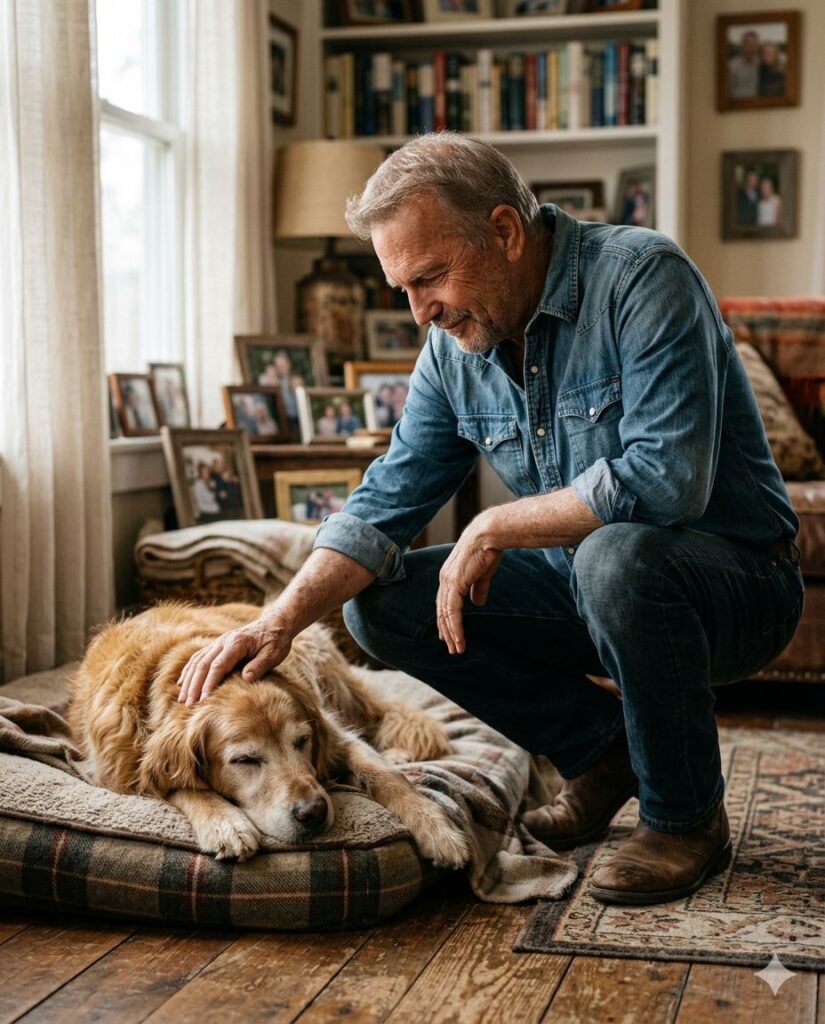
The gates simply opened. Somewhere in the countryside, Kevin Costner quietly brought to life a long-planned project — a sanctuary devoted to healing, protection, and care for abandoned and injured wildlife.
No announcement came beforehand. No statement followed afterward.
The news moved the way meaningful things often do: quietly, from one grateful voice to another.
For a man whose career has unfolded under Hollywood’s brightest lights, this gesture arrived in near silence. And that was intentional.
A Different Kind of Achievement
Kevin Costner’s life has long been measured in awards, recognition, and box office success.
Red carpets erupt when his name is called. Every move is analyzed. Every project debated.
But this sanctuary had nothing to do with fame or victory.
It was about responsibility.
Those familiar with the project describe it as a carefully designed space of restraint — not a public showcase, but a refuge.
A place where animals affected by neglect, injury, or circumstance are given time, safety, and dignity. No deadlines. No pressure.
Just care.
“Kevin didn’t want this to feel like something made for attention,” said one person involved.
“He wanted it to feel like something made for healing.”
Why Silence Was Important
In an era where generosity is often publicized, Costner chose the opposite approach. There were no press releases.
No social media posts. No interviews explaining the purpose.
That decision reflects a consistent pattern — a belief that meaning does not require noise. People close to him say his connection to nature and wildlife has always been deeply personal.
Travel, filmmaking, and public life have shaped him, but balance has always remained central.
This sanctuary was not a shift in direction.
It was an extension of it.
Built on Care and Balance
The sanctuary was created with intention — open land, natural light, and environments designed to reduce stress and support recovery.
Veterinarians, caretakers, and volunteers work quietly, focusing on rehabilitation and long-term wellbeing rather than quick outcomes.
Animals arrive frightened, injured, often forgotten.
They leave — when ready — calmer, healthier, and safe.
Some never leave at all.
And that is accepted.
“There is no pressure to move animals through,” one caretaker explained. “The goal is stability, not turnover.”
This philosophy mirrors Costner’s approach to life beyond the screen: patience, discipline, and respect for natural rhythm.
A Reflection of Character
Costner has often spoken about balance — physical, emotional, and mental. Success, for him, has never been one-dimensional.
It is not only about achievement, but alignment with values.
This sanctuary reflects that belief.
It does not carry his name loudly. It does not promote its founder.
It simply exists — doing its work quietly.
Visitors describe an atmosphere of unusual calm.
Not because everything is perfect, but because everything feels genuine.
“There is no ego here,” one visitor said. “Only care.”
How the Story Emerged
The story did not break as news.
It surfaced gradually.
A volunteer mentioned it. A rescued animal was shared online. A thank-you note traveled farther than expected.
Slowly, people began connecting the pieces.
Fans were surprised not by the act itself, but by the silence surrounding it.
And that silence made the story resonate even more.
In a world full of constant commentary, the absence of it felt powerful.
More Than a Public Figure
For years, Costner has been viewed through the lens of Hollywood success — films, awards, and industry debates. This sanctuary offers a broader perspective.
Not softer.
Just fuller.
It shows that influence does not end when the cameras stop rolling. That leadership can exist without publicity.
He did not ask to be noticed.
Yet people noticed anyway.
The Meaning of Stewardship
Those involved in the project often use one word: stewardship.
Not ownership.
Not legacy in the traditional sense.
But responsibility — the decision to help when one has the ability to do so.
“Kevin didn’t want recognition,” one organizer said. “He wanted the animals to be safe.”
That distinction defines the entire effort.
Gentle Public Response
When the story became more widely known, the reaction was not typical celebrity frenzy.
Instead, there was reflection.
People spoke of inspiration rather than spectacle. Of being reminded that kindness does not require permission.
Many said it reshaped how they think about success.
“That is what winning looks like,” one fan wrote. “No scoreboard.”
The Sanctuary’s Path Forward
There are no expansion plans or major announcements. Growth will remain limited to what care can responsibly support.
Sustainability matters more than scale.
Costner remains involved but unobtrusively. He checks in, listens, and trusts the professionals running the space.
The sanctuary does not revolve around him.
And that, in itself, is the point.
A Quiet Legacy
Kevin Costner’s cinematic legacy is already secure. Records, awards, and roles will continue to be analyzed for years.
But legacies are not shaped only by public achievements.
They are also shaped by what we choose to protect.
By creating this sanctuary quietly, he offered a reminder: some of the most meaningful actions are not meant to be announced.
They simply exist, doing good where it is needed.
No audience.
No applause.
Just care.
And in that silence, Kevin Costner demonstrated that not all victories are meant to be heard — some are meant to quietly change lives, one moment of relief at a time.