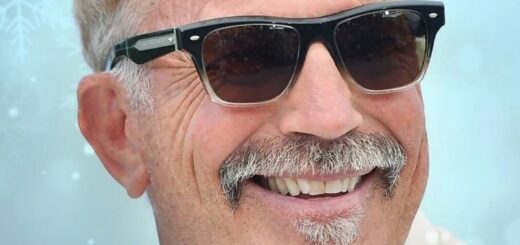
Kevin Costner’s True Western Masterpiece Arrived 13 Years After Dances With Wolves
Why Open Range — Not Dances with Wolves — Is Kevin Costner’s Greatest Western
Kevin Costner has long established himself as a central figure in Western cinema. His Oscar-winning epic Dances with Wolves is often regarded as the crown jewel of his career — a sweeping tale that cemented his reputation both in front of and behind the camera. However, a lesser-discussed gem in Costner’s filmography deserves equal, if not greater, recognition: 2003’s Open Range. This gritty adaptation of Lauran Paine’s 1990 novel The Open Range Men marked Costner’s return to directing and reaffirmed his deep-rooted understanding of the Western genre.
Set in 1882 Montana, Open Range centers on former gunslinger Charley Waite (Costner), who works alongside Boss Spearman (Robert Duvall), Mose (Abraham Benrubi), and young ranch hand Button (Diego Luna). The crew faces violent conflict when a corrupt local land baron, Denton Baxter (Michael Gambon), threatens their way of life and kills one of their own — triggering a revenge-fueled standoff that culminates in one of the most gripping shootouts in modern Western cinema.
While Dances with Wolves delivers a sweeping, almost mythic story of cultural connection and transformation, Open Range strips the Western down to its raw essentials. Gone are the romanticized portrayals and polished heroics. In their place, Costner offers a brutally realistic depiction of frontier justice and moral ambiguity. The film leans into the grit and grime of life on the open plains, using modern filmmaking techniques — quick cuts, handheld camerawork, and masterful sound design — to immerse viewers in the chaos and consequence of violence.
What sets Open Range apart is its emotional depth. Costner’s Charley Waite is a deeply wounded man, haunted by his past as a Civil War soldier and gunfighter. The film subtly explores his post-traumatic stress and inner conflict, offering a layered portrayal of the Western hero — one who is both mythic and mortal. The result is arguably the most psychologically nuanced protagonist in Costner’s Western repertoire.
Beyond the storytelling, Open Range demonstrates why the Western genre brings out the very best in Kevin Costner. His comfort in wide-open landscapes, far from urban settings, is more than just personal preference — it’s where his artistic instincts thrive. “I’m just not comfortable in cities,” Costner once said. “But when I find myself out in the West, I wake up every morning and that’s my office.”
That deep connection to the setting, combined with a thorough understanding of the genre’s themes, tropes, and traditions, makes Open Range feel like both a tribute to classic Westerns and a bold reimagining. In the character of Charley Waite, Costner channels the stoicism of John Wayne and the moral complexity of Clint Eastwood, while crafting something uniquely his own.
In the two decades since its release, Open Range has quietly become a modern Western classic. Though it may not have the awards pedigree of Dances with Wolves, it delivers something arguably more enduring: a powerful, grounded story of redemption, loyalty, and frontier justice — told by a filmmaker who understands that the Western isn’t just a genre, but a legacy.