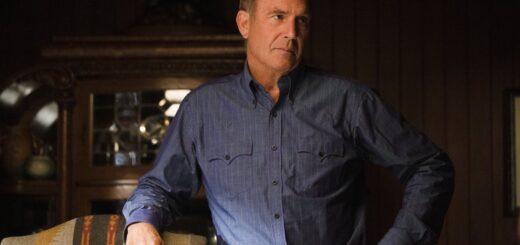
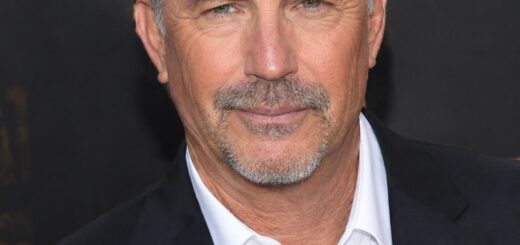
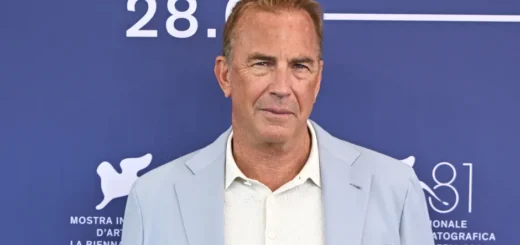
LAST NIGHT: Donald Trump attacked Kevin Costner — and received a brutal “lesson” he won’t forget.
A moment that rapidly captured attention online
What started as another tense political exchange soon turned into one of the most talked-about cultural moments of the week.
Within minutes, clips of Kevin Costner’s remarks flooded social media, drawing millions of reactions from supporters, critics, celebrities, and everyday viewers alike.
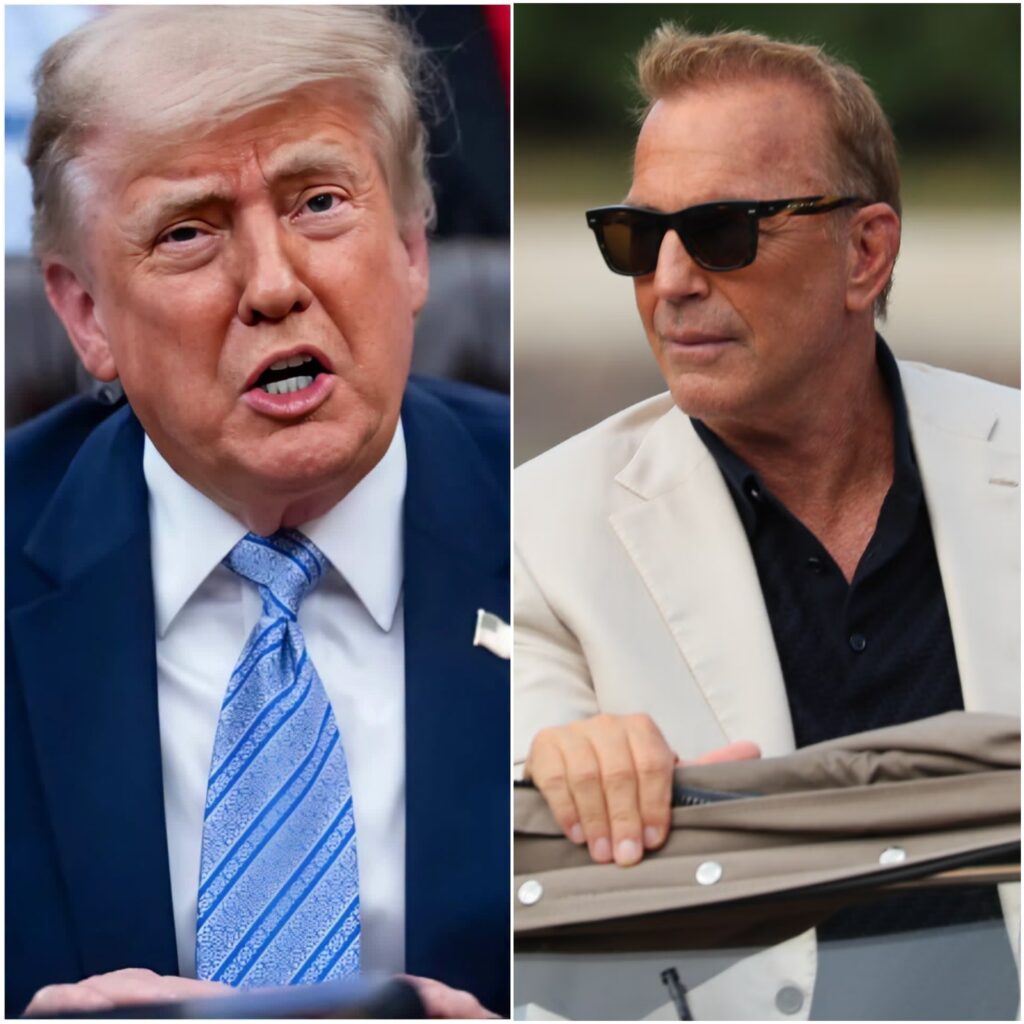
Many expected anger.
Many expected a dramatic confrontation.
Instead, audiences witnessed something entirely different: calm restraint, emotional clarity, and conviction delivered with quiet intensity.
For countless viewers, that calm approach made the message even more powerful. Costner did not rely on insults, shouting, or theatrical reactions to command attention.
He spoke carefully and deliberately, with the presence of someone who fully understood the importance of his words. And because of that composure, every sentence seemed to land even harder.
“You know what else offends Jesus?”
As the atmosphere reportedly grew silent, Costner continued with increasing emotion.
“You know what else offends Jesus?” he asked. “Breaking families apart. Treating immigrants as if they are less than human. Forgetting that most people are simply trying to survive.”
Those statements instantly became some of the most widely shared lines online. Supporters applauded Costner for steering the conversation away from political division and back toward compassion and humanity.
Rather than focusing on personal attacks or ideological labels, he reframed the discussion around empathy, dignity, and responsibility toward vulnerable people.
To many viewers, it felt less like a celebrity defending himself and more like a moral appeal directed at society as a whole.
Why the message resonated so strongly
For decades, Kevin Costner has built a reputation not only as an acclaimed actor and filmmaker, but also as someone associated with thoughtful, grounded storytelling.
Whether through the characters he portrays or the causes he speaks about publicly, he has often projected a quiet sincerity that audiences connect with.
That is part of why this moment struck such a deep chord.
People did not feel they were watching a rehearsed performance.
They felt they were hearing someone speak honestly from personal conviction.
And in a media environment often fueled by outrage and spectacle, authenticity can feel rare — especially when delivered calmly.
“Hate. Greed. Division. Corruption.”
As he continued, Costner’s voice reportedly remained controlled but emotionally charged.
“You know what offends Jesus?” he said. “Hate. Greed. Division. Corruption. Pretending to be righteous while refusing to show compassion.”
That line immediately ignited intense discussion online.
Some called the remarks brave.
Others viewed them as controversial.
Commentators across television and social media quickly began debating not only the exchange itself, but also the broader questions surrounding faith, morality, and leadership in public life.
But regardless of political perspective, one thing became clear:
The moment had evolved into something much larger than a simple argument.
A response rooted in honesty
One of the most unexpected moments came when Costner acknowledged his own imperfections.
“I’m not perfect,” he admitted. “I’ve made mistakes. I’ve learned. I’ve reflected. But I know this — compassion can change lives.”
That moment of vulnerability shifted the emotional tone entirely.
Instead of presenting himself as morally superior, Costner positioned himself as someone still growing, still learning, and still trying to understand how to live with empathy.
For many viewers, that honesty carried more emotional weight than any political statement ever could.
Because people rarely connect with perfection.
They connect with sincerity.
The quote that stayed with everyone
Then came the line that quickly spread across every major platform online.
“Jesus didn’t stand beside the powerful and privileged. He stood beside the struggling, the forgotten, the wounded, and the people society abandoned. So ask yourself — who are we truly meant to care for?”
According to those present, the room fell completely silent.
Even some critics admitted the statement carried undeniable emotional force.
Clips of the speech were reposted thousands of times, accumulating millions of views across social media.
For supporters, the message served as a reminder about humility, compassion, and humanity.
For critics, it sparked broader conversations about religion and politics in modern society.
But no matter how people interpreted it, the emotional impact was impossible to ignore.
Social media erupts with reactions
As the video continued circulating online, reactions poured in from every direction.
Some praised Costner’s composure under pressure.
Others admired his willingness to address deeply divisive issues openly and directly.
Fans described the moment as “powerful,” “thought-provoking,” and “deeply human.”
Criticism followed as well.
Yet even many critics admitted that Costner had completely changed the emotional direction of the conversation.
What initially began as an attack unexpectedly transformed into a larger discussion about empathy, morality, and conviction.
A moment people may remember for a long time
In today’s fast-moving media world, controversy often disappears as quickly as it appears.
But certain moments remain because they touch something deeper than politics or headlines.
For many people, this became one of those moments.
Not because Kevin Costner was the loudest voice in the room.
Not because he delivered the sharpest insult.
But because he spoke about humanity in a way that felt personal, reflective, and emotionally real.
And long after the noise surrounding the debate fades, that may be the part people remember most.